Arthur, Wren, AO(N2) and their Brilliant Pebbles
Picture it: an aerospace engineer riding his apartment lift up and down, over and over, staring at a little black box in his hand. Obviously, there’s a revolution brewing.
We’ll get back to that engineer and that little black box, but this story starts on the dropzone – with a box of pink analogue altimeters in the student area, absent even a whiff of the tool that “grown-up” skydivers use to maintain altitude awareness: the humble audible. That tiny, squeaky bit of helmet kit once sat just out of reach for many newly qualified skydivers.
Too expensive. Too fiddly. Too easy to get wrong.
For Bristol-based AO(N2), that gap became the beginning of everything.
A problem at FS1
The story starts, as many good ones do, not in a lab but in the lived experience of a jumper working towards their FS1.
“When co-founder Wren Amarra was trying to get her FS1, audibles were really expensive and difficult to use,” co-founder Arthur Amarra explains. “So I got the idea of making one that could be set up using a computer or a phone.”
Arthur built a prototype. Wren took it up. It worked.
That might have been the end of it – a one-off solution to one person’s very specific problem – but skydiving has a way of turning personal kit into community demand.
The moment it became a company
As you might imagine, Arthur Amarra’s path into altimeter design didn’t begin with skydiving at all.
“I started taking up electronics as a hobby while working as an aerospace engineer. Initially I was trying to make a heart rate sensor… but ran into some problems,” he reveals.
What followed feels familiar to anyone who’s ever gone down a technical rabbit hole: a box of components, a bit of curiosity and a willingness to see where things lead.
“I found a barometer and thought, why not make an altimeter?”
Testing began in the most grounded way possible: the lift in the Amarras’ apartment building, and the hills around Bristol. Up and down, again and again – watching the numbers change, refining, iterating.
Eventually, they had something small enough, and reliable enough, to take on a skydive.
“It had pretty LED lights and patterns. I didn’t really have any intention of selling it,” Arthur says. Until, of course, someone asked.
“I was walking around the DZ one day when one of my friends said, ‘How much do you want for your alti? Make me one.’”
That question has launched more skydiving companies than any business plan ever has. Arthur went home, looked up how to start a company, and AO(N2) was born.

Brilliant Pebbles: simple, reliable and pretty much everywhere nowadays
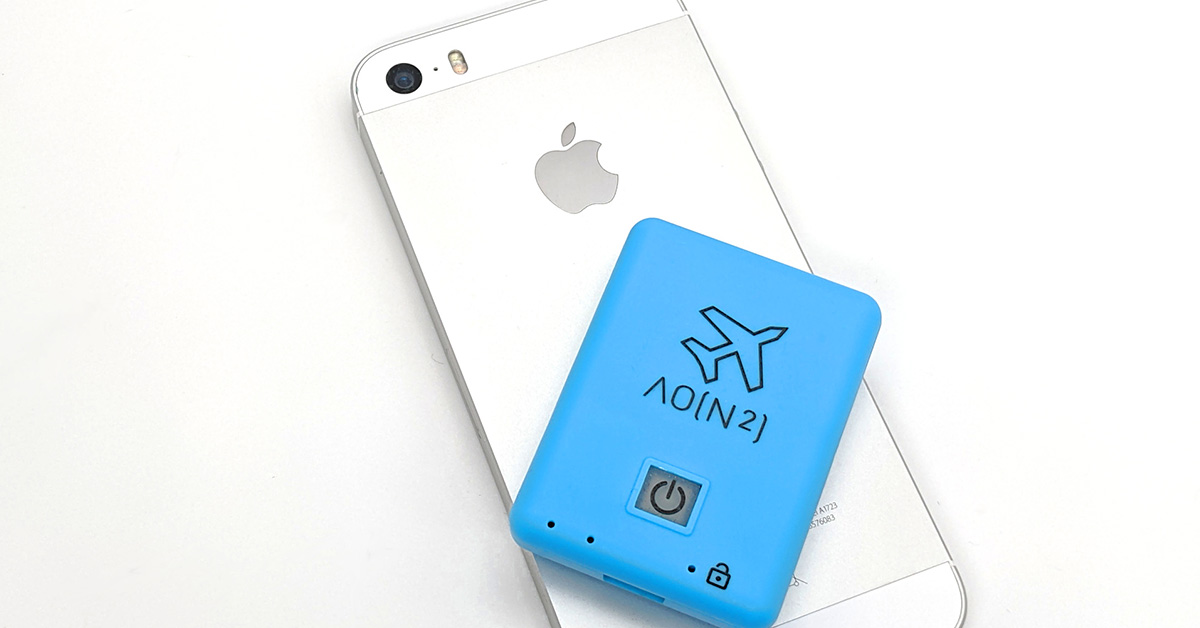
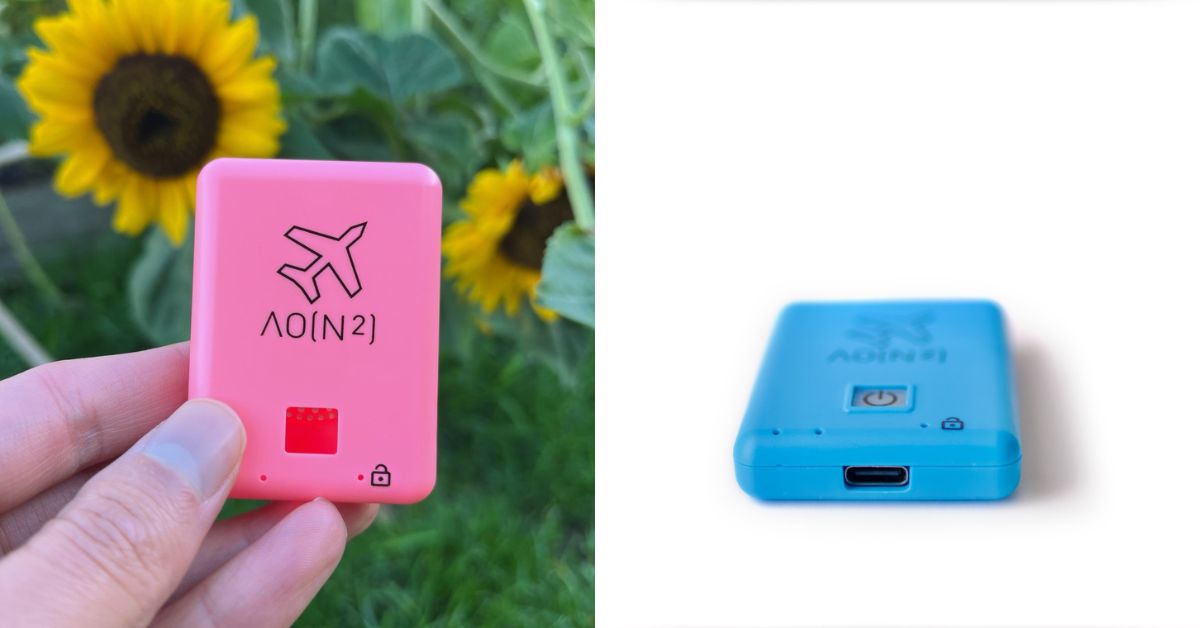
The product that grew out of that moment – Brilliant Pebbles – is still the cornerstone of the company. It’s their best-selling altimeter, and in many ways it defines their philosophy: make altitude awareness accessible, reliable and easy to use.
Configured via phone or computer, the device removed much of the friction that had previously come with audibles. No arcane button sequences. No guesswork. Just clear set-up and dependable alerts – and, crucially, a price point that made sense for newer skydivers.
Perception under pressure
Skydiving is an unforgiving design environment. You don’t get long to interpret information. You don’t get a second glance. You don’t get to pause and think.
“Maybe the most challenging aspect of innovating for skydiving is creating things which are able to be perceived clearly in extreme conditions,” Arthur explains. “For audibles, it’s giving the information accurately at the right altitude, even though the moment passes so quickly. For visual altimeters, it’s the ability to understand the information at a glance.”
It’s a subtle point, but an important one. The challenge isn’t just accuracy – it’s perception under pressure. Altitude awareness isn’t simply about having access to the right data. It’s about presenting it instantly, without cognitive load, at exactly the right moment in the skydive.
That constraint runs through everything AO(N2) builds.
What comes next: Aria
If Brilliant Pebbles made audibles more accessible, AO(N2)’s next release aims to change how we experience them altogether.
Enter Aria: a talking audible altimeter that literally communicates your altitude in words. It can call out heights during the climb, in freefall and under canopy, all configurable to match how you fly. From the moment you exit the aircraft, Aria begins speaking – confirming it’s working and keeping you informed throughout the skydive.
It’s a deceptively simple idea. Replace tones with words. Remove ambiguity. Reduce interpretation.
You can even set it to say “Deploy, deploy!” at your chosen altitude – leaving zero room for misheard tones or second-guessing.
Designing together
Arthur and Wren are a married founder team, and AO(N2) is growing quickly. Since Wren joined full-time, her background in graphic design has become central to the company’s development process.
“We’re focused on continually improving user experience,” Arthur says. “Design is now a core part of how we build.”
That influence shows in both interface and interaction – not just how the devices look, but how they communicate.
In skydiving, design isn’t aesthetic. It’s functional. It’s cognitive. It’s the crucial difference between noticing and missing.
A quiet evolution
Look across AO(N2)’s product range – from Brilliant Pebbles to their digital altimeters and ongoing work like Project Obsidian – and the direction is clear.
This isn’t about flashy disruption. It’s about steady, thoughtful, budget-conscious refinement of one of the most fundamental elements of any given skydive: knowing where you are in the air.
Get your own Brilliant Pebbles at aon2.co.uk